What is P2P cryptocurrency exchange and how does it work?
Learn P2P crypto trading in 5 minutes. How peer-to-peer deals work, 7 scammer warning signs, fee comparisons with exchanges. Practical beginner-friendly tips included.
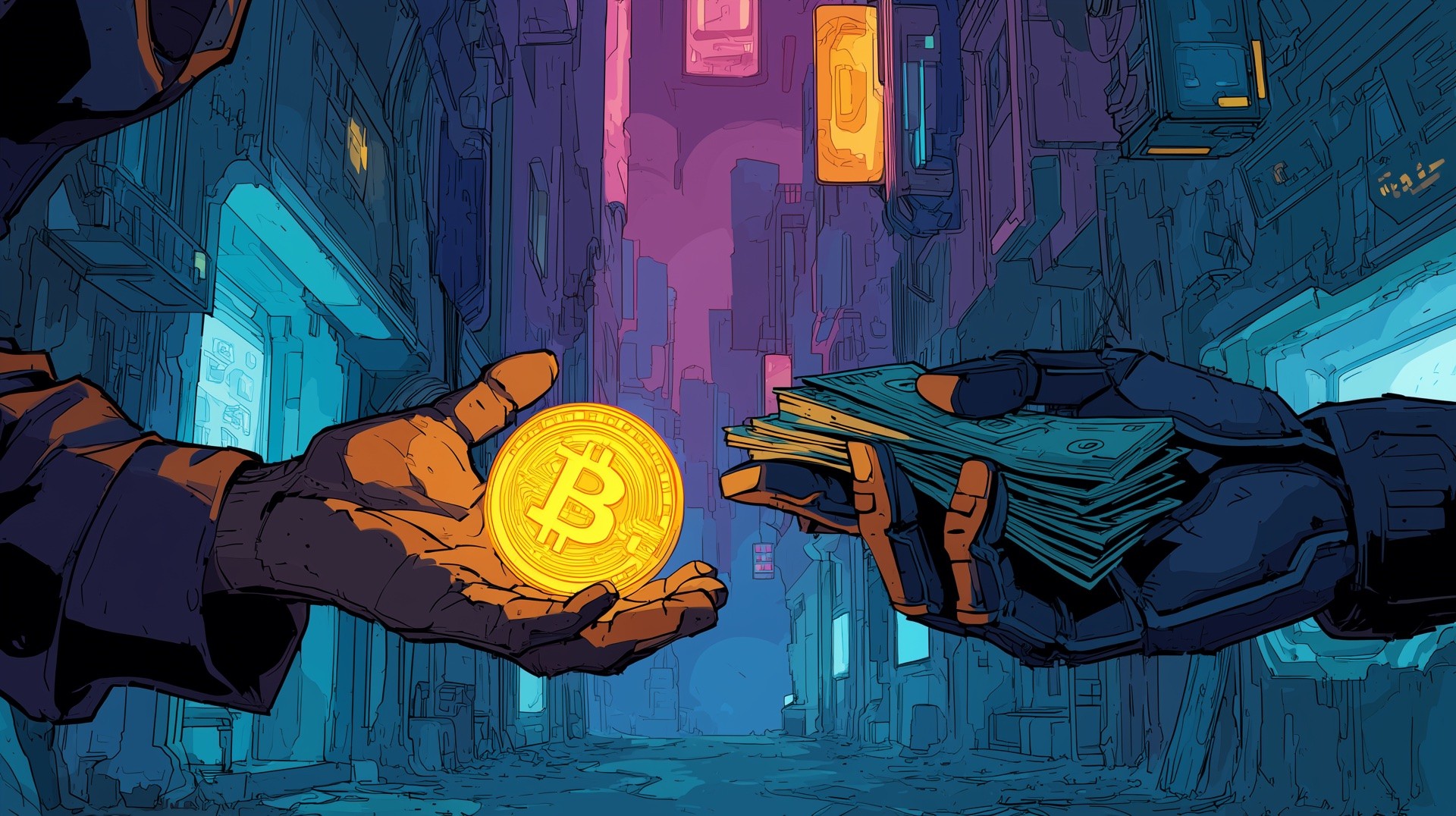
What is P2P exchange in simple terms?
P2P exchange is buying cryptocurrency directly from another person through an intermediary platform. Think of eBay: the site doesn't sell phones itself — it connects buyers with sellers. P2P works the same way — the platform doesn't sell cryptocurrency, it helps you find a seller.
Key difference from exchanges: on Coinbase you buy from the exchange itself, on P2P — from John in Warsaw. Protection works through escrow — the platform locks the seller's cryptocurrency until you confirm payment.
How does a P2P transaction work?
Here's what happens in a real transaction. You select a seller's listing with the amount and payment method you need. The platform automatically locks the seller's cryptocurrency in escrow — they can't spend or withdraw it.
You transfer money to the seller directly through your bank or Revolut using their details. You click the "Paid" button on the platform. The seller sees your transfer in their account and confirms receiving the money. The platform releases the cryptocurrency to your wallet.
If the seller doesn't release the crypto after payment — you open a dispute. You show a screenshot of the bank transfer, and support works 24/7 resolving conflicts. A typical transaction takes 16 minutes.
When is P2P better than an exchange?
Your situation | Recommendation | Why | Fee |
|---|---|---|---|
Live in EU, have bank card | Exchange | Easier, faster | 1-2% |
Verification rejected | Major exchange P2P | Fewer requirements | 2-5% markup |
Need anonymity | P2P platform | Minimal documents | 3-7% markup |
P2P is the only option when regular exchanges are unavailable or rejected your verification. But if you have a European bank card — exchanges are always more convenient for first purchases.
Exchanges are better for small amounts up to €1000 — Coinbase's 1.49% fee compared to 2-5% markup on P2P.
How to choose a seller and avoid scammers?
Three mandatory parameters for a safe seller: minimum 50 completed trades, completion rate above 95%, registered at least 3 months ago.
Red flags: new account offering the best rate, asking to transfer money outside the platform, rushing you "transfer quickly, the rate is changing". Such sellers are potential scammers with fake profiles.
Safe payment method — bank transfer with order number in payment reference. Save the receipt. Avoid cash and gift cards — they're hard to prove in disputes.
During disputes don't panic — provide a screenshot of the transfer and wait for the decision. 99% of trades complete without problems.
How much does P2P exchange cost?
For example, buying 500 EUR in Bitcoin on a major exchange's P2P. Market BTC rate: 85,000 EUR. Seller's P2P rate: 86,500 EUR — markup around 1.76%.
Bank fee for SEPA transfer: usually free within EU. Total extra cost: 8.80 EUR (1.76% of amount).
For comparison, Coinbase charges 1.49% fee + 0.5% spread = about 10 EUR on the same amount. P2P is cheaper, but purchase takes 20-30 minutes compared to 2 minutes on an exchange.
Common beginner mistakes
Mistake | Consequence | Correct way |
|---|---|---|
Transferred but didn't click "Paid" | Transaction hangs | Transfer → immediately click button |
Agreed to transfer outside platform | You'll lose money | Only through escrow |
Chose newcomer with best rate | Risk of fraud | Reputation matters more than rate |
Where to do P2P exchange?
Binance P2P — largest platform with 700+ payment methods. Buyer fee: 0%. Supports EUR and CIS currencies. Requires identity verification.
OKX P2P — alternative with SEPA support and popular fiat currencies. Similar escrow system and zero fees for buyers.
There are specialized platforms too, but their security and reliability should be verified independently — read reviews, study terms of service.
Before registering, check: is the platform available in your country, which payment methods are supported (SEPA, Revolut, Wise).
FAQ
Can I lose money on P2P? Only if you transfer money outside the platform or choose a scammer. Through platform escrow the risk is minimal — most trades complete without problems.
How long does a P2P transaction take? Average 15 minutes from selecting a seller to receiving cryptocurrency in your wallet.
What's the minimum needed for first purchase? No official minimum, depends on available sellers and their conditions.
Is verification required for P2P? Yes, identity confirmation is required to access most platforms.
Is P2P safer than exchanges? No, exchanges are safer for beginners. P2P is suitable only when exchange access is unavailable.
P2P exchange is suitable when regular exchanges are unavailable. For first purchases, choose a verified seller on Binance P2P.
*Disclaimer: This article is for informational purposes only and is not a financial recommendation. Cryptocurrency investments carry high risks. Always conduct your own research and consult with financial advisors before making investment decisions.
Updated: